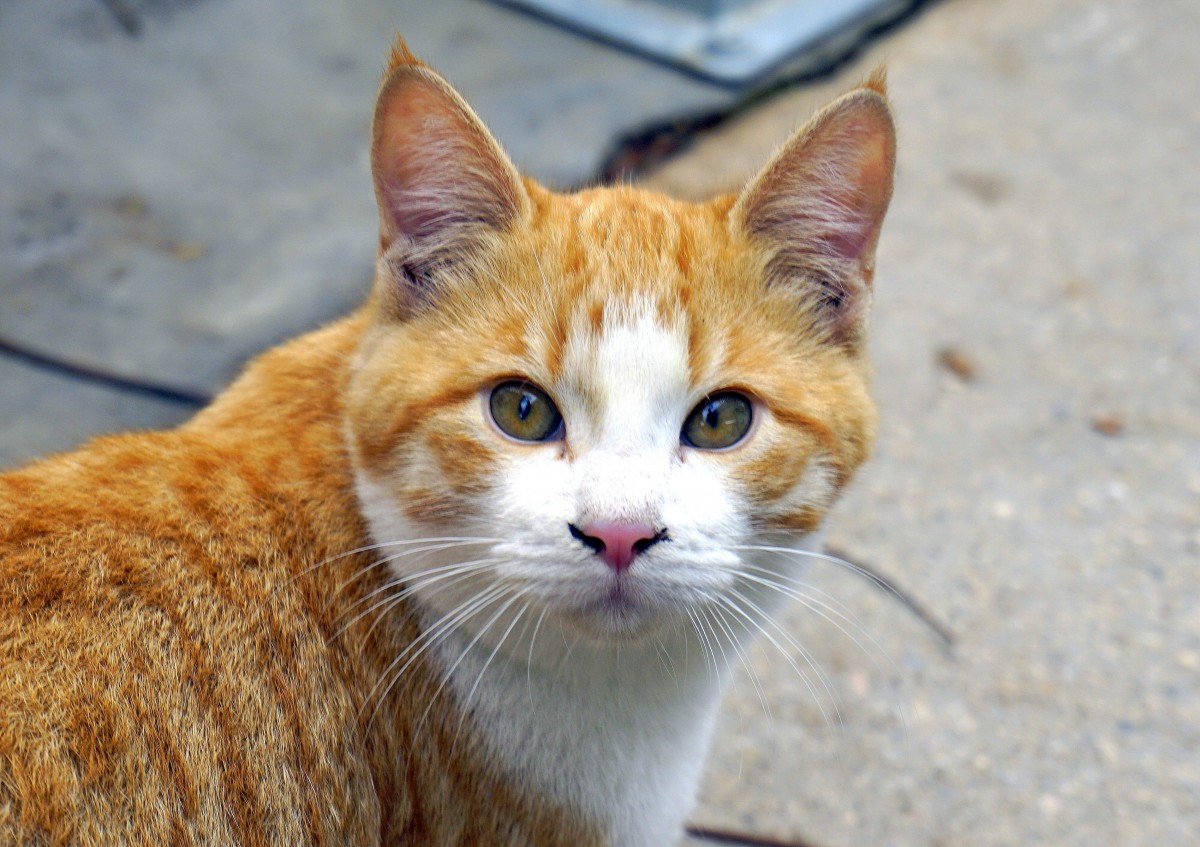

Local conservation organisation Tū Mai Taonga is launching a campaign to pay Great Barrier Island residents to de-sex their domestic cats. Pet owners who register for the service during July will receive a twenty-five dollar voucher for their first cat and ten dollars for any subsequent animals.
According to documents seen by the Barrier Times, organisers are focused on “removing all barriers to getting pet cats on the island desexed this winter.”
A free transport service called the ‘Cat Taxi’ will ferry felines to local clinics, supported by a telephone hotline, 0800 SAFE CAT, operating from July 1.
The resulting retail vouchers “will be valid until end of August 2026” and can be spent across four local stores believed to be Stonewall, Port Fitzroy General Store, Mulberry Grove Store and Claris Store.

Auckland Council already offers free de-sexing, microchipping, and an online registry, but documents for the campaign explicitly note that “the Council doesn’t actually have data on how many companion cats there are on the island” or how many remain unaltered.
The campaign arrives alongside a broader injection of public funds into regional pest eradication schemes. On June 5, 2026, the government announced a ten million dollar investment from the International Visitor Conservation and Tourism Levy to accelerate predator elimination across Auckland and the Hauraki Gulf. Delivered over five years, this public funding will back large-scale pest reduction projects.
The trust is distributing free cat collars to participating retail outlets to be given away to voucher holders purchasing post-operative cat food. Promotional materials for the campaign include ‘cheeky’ bumper stickers and a public pun competition where the winner receives their entry printed on a T-shirt.

Public ‘cat lovers evenings’ featuring complimentary food and drinks will reportedly be announced, with sessions scheduled for Wednesday night in Claris and Friday night before pool night in Tryphena. In July, a second series of events will target non-cat owners to discuss local conservation efforts and the trust’s long-term mission to return the Kōkako to the island.