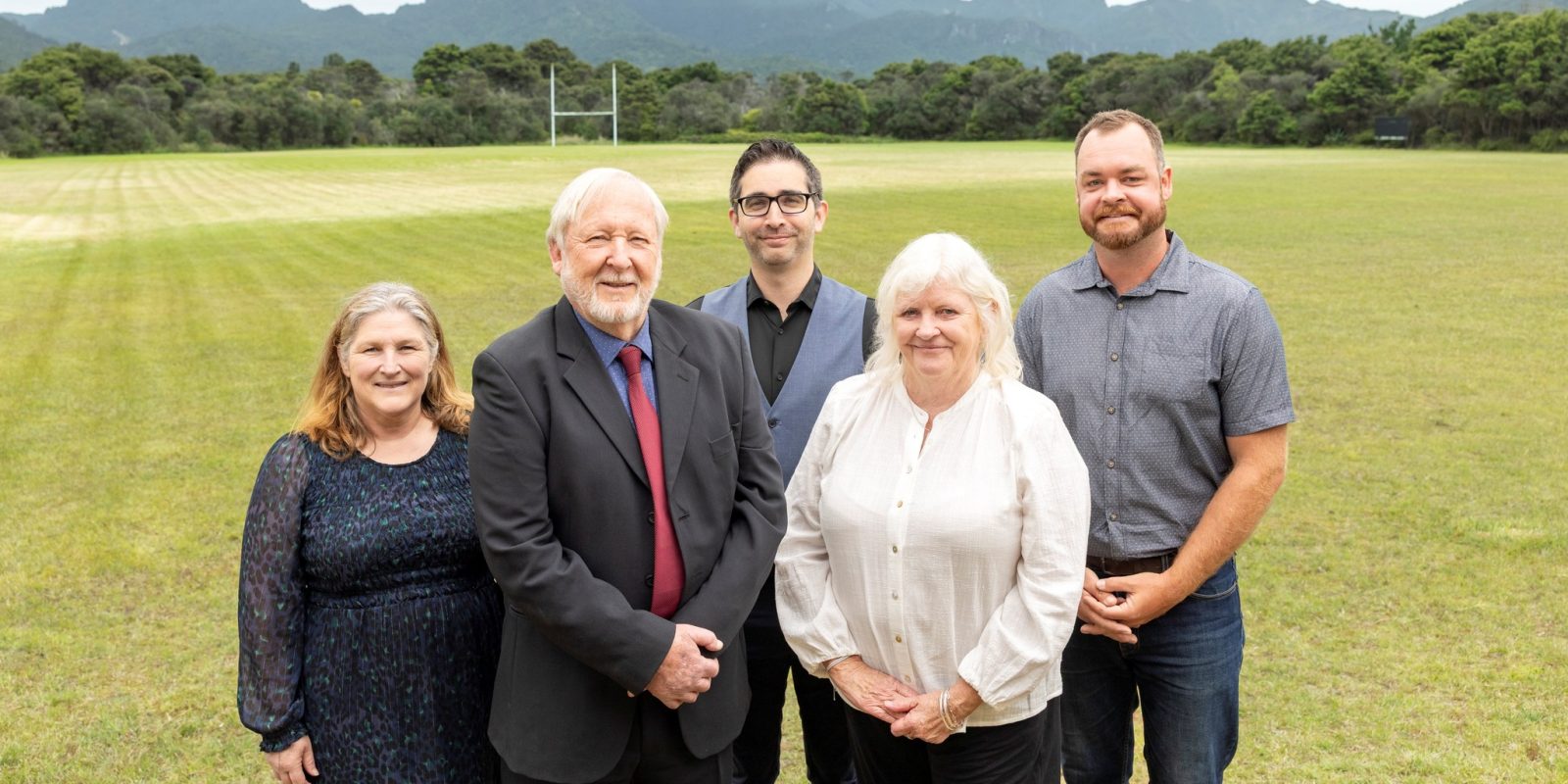

The Great Barrier Local Board has released its draft Plan for 2026-2029, outlining how it wants to tackle some of the island’s biggest challenges over the next three years, from storm-damaged roads and rising freight costs to housing shortages and marine pests.
The draft plan follows one of the most disruptive periods in recent memory for the island.
January’s flooding damaged roads across Aotea, triggering more than 50 underslips, overslips, washouts and drainage failures. While many sites have been repaired, several roads remain under restrictions and major recovery projects are expected to continue well into next year.
Local Board chair Izzy Fordham said resilience and community wellbeing emerged as the dominant themes during public engagement on the plan.

“It was an intense start to 2026 with flooding events and fuel crisis warnings. The main challenges identified for the next three years are island resilience and community wellbeing in the face of economic constraint and climate change.”
Transport is one of the strongest themes running through the draft.
The board wants a review of the island’s transport network to identify weak points and investigate alternative route and port options when roads are cut by slips, flooding or coastal erosion.

The proposal reflects a reality familiar to many island residents. When a major slip closes a road, entire communities can be isolated, freight movements disrupted and emergency access compromised.
The board is also advocating for greater investment in the island’s transport gateways, including Claris Aerodrome, Ōkiwi Airfield and local wharves, to improve resilience during emergencies and severe weather events.

Road maintenance is also a priority. The draft plan calls for investment in road renewals, sealing, grading and drainage works, including regular clearing of roadside drains to reduce flood damage.
Fordham said recent weather events had exposed vulnerabilities in critical infrastructure.
“The flooding events over the past three years, including in January 2026, show us how vulnerable our infrastructure is to climate change. Our road network becomes compromised and supply chains are halted.”
The island’s economy forms another major focus.
The board identifies high freight, fuel and transport costs as ongoing pressures for residents and businesses and intends to continue advocating for policies that recognise the realities of operating in a remote island community.
The draft plan also seeks to strengthen local employment by increasing opportunities for island businesses and suppliers to secure council work.
Business development initiatives include training in management and finance, alongside grants aimed at helping businesses improve energy reliability, reduce waste and lower operating costs.
Tourism also features prominently.
The board intends to continue implementing the Aotea Great Barrier Island Destination Management Plan and support research into eco-tourism and volunteer tourism opportunities that deliver economic benefits while protecting the island’s environment and way of life.
Environmental protection remains a central pillar of the plan.
The board proposes continued support for large-scale restoration projects including Tū Mai Taonga, Windy Hill Sanctuary, Glenfern Sanctuary Regional Park and Oruawharo Medlands Ecovision.
Water security and flood resilience feature strongly throughout the document.
The board wants increased investment in Auckland Council’s Making Space for Water programme to improve waterways, drainage networks and flood management, while supporting community-led projects to restore wetlands, improve stream health and strengthen water supply resilience.
The health of the moana is another priority.
The draft plan backs continued work to protect marine ecosystems and calls for greater investment in monitoring invasive marine pests including exotic caulerpa, Asian paddle crab, sea squirt and Mediterranean fanworm.
The board is also advocating for the continued protection of kauri and ongoing monitoring and treatment programmes for kauri dieback.
Great Barrier’s International Dark Sky Sanctuary status remains a priority, with the board supporting stronger controls on outdoor lighting and continued investment in dark-sky initiatives.
Beyond infrastructure and environmental projects, the plan proposes ongoing support for community services.
That includes funding for the Great Barrier Island Community Health Trust, Aotea Family Support Group, emergency response initiatives, education programmes and projects aimed at strengthening community resilience.
The board also wants to investigate housing solutions for kaumātua, pensioners, papakāinga developments and worker accommodation, issues that have become increasingly significant as housing costs and workforce shortages continue to affect the island.
Fordham said community groups remained critical to island life.
“During our recent community engagement on the local board plan we heard that the biggest priority is continued support for community-led services for welfare, health and the environment. We acknowledge how integral our community groups are to the wellbeing of our island, especially given the increasing living costs affecting freight, food and travel.”
The draft plan is now open for public feedback before a final version is adopted later this year.
Residents can provide feedback online or speak directly with board members at a series of consultation events across the island.
A Local Board Plan kōrero will be held at Orama, 300 Karaka Bay Rd, on Thursday, June 25 at 4.30pm.
Board members will also host a pop-up session outside Stonewall Store, 82 Blackwell Dr, Tryphena, on Saturday, June 27 from 9am.
Feedback can also be provided at the Aotea Growers & Makers Market at the Claris Conference Centre on Saturday, July 4 from 10am to 1pm.
An online information session will be held on Thursday, July 16 from 6pm to 8pm. Registration is available at tinyurl.com/register-info-session.
Public consultation closes on July 23.