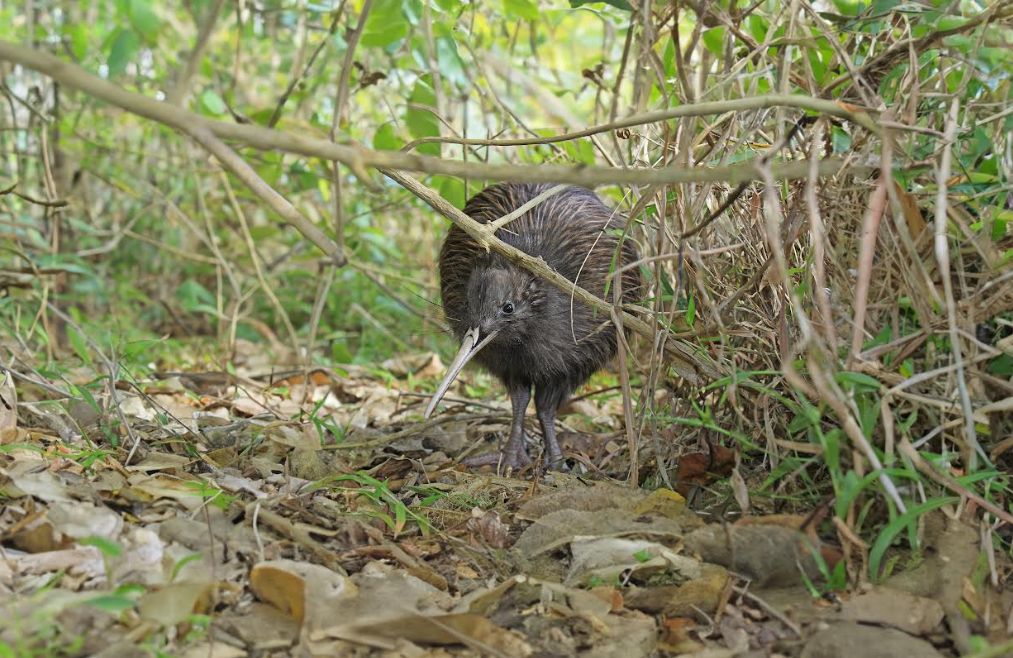

In mid-May, Waiheke Island will become the first urban area in Auckland where kiwi have been released.
10 kiwi will be transferred from neighbouring Pōnui Island to Te Matuku Peninsula at the eastern end of Te Motu-ārai-roa/Waiheke Island.

Save the Kiwi, Ngāti Paoa and Ngāi Tai ki Tāmaki are leading the project, with support from Te Korowai o Waiheke and Pōnui Island landowners.
Save the Kiwi CEO Michelle Impey says releasing kiwi onto Waiheke isn’t just good news for the island, it’s good news for Auckland.
“Kiwi have a unique ability to unite people, regardless of their age, stage, or walk of life,” she says. “But it’s hard to care about something that is never seen, heard, or experienced.

“Kiwi used to live all over New Zealand, and there’s evidence they may have lived on Waiheke too. It is a privilege to help return this taonga species to where they once lived, long before Auckland City was here. And how amazing will it be for future generations on the island to one day have daily experiences with kiwi?”
Ngāti Pāoa Chair Herearoha Skipper says this release is very important to mana whenua.
“Returning kiwi to Te Motu-ārai-roa contributes to the overarching strategic environmental plan that Ngāti Pāoa has to restore the biodiversity on the whenua as well as in the moana,” she says. “Both are inextricably linked; we cannot do one without the other.
“We acknowledge the efforts of Te Korowai o Waiheke and other predator control projects that have worked tirelessly over many decades to remove predators from the island, therefore creating a space where kiwi and other native wildlife can thrive.”
Ngāi Tai ki Tāmaki Chair Billy Brown says releasing kiwi onto Waiheke Island is significant for the future kaitiaki of the island.
“This project will be an inter-generational project that will allow our tamariki and mokopuna to live with and enjoy these beautiful manu for many years to come,” he says.
“As we’ve seen in other conservation work around Tīkapa Moana/the Hauraki Gulf, the kiwi enables us to work together to achieve a common goal. Returning kiwi to Waiheke will be the result of many groups working together. It will be everyone’s success – and therefore everyone’s responsibility to care for these manu.”
The release site will be Te Matuku Peninsula, one of the most isolated corners of the island. All landowners are committed to maintaining the work that has been undertaken to restore this native forest and get rid of predators.

“Te Matuku Peninsula is very remote and cannot be publicly accessed, which means it’s the ideal release site for kiwi to get used to their new home,” says Michelle. “Land surrounding the peninsula – and all over the island – is also extensively predator managed, so as kiwi start to naturally migrate from the release site, there’s a good chance they will establish an island-wide population one day.”
In 1964, the New Zealand Wildlife service released 14 kiwi onto Pōnui Island following a request from landowner Peter Chamberlin. Today, the island is home to an estimated ~1,500 kiwi.
“Dad had a desire for the thriving population of kiwi to be shared and to establish other populations” says Peter’s son, David Chamberlin, who is now one of the landowners on the island. “He would have been so proud to see that dream come to fruition.”
Kiwi scientist Dr Isobel Castro has spent the last decade closely monitoring and researching the kiwi on Pōnui with David’s full support and his niece Annabelle now highly involved with the project.
“My family and the other landowners have always been interested in the wellbeing of the kiwi on the island,” David says. “The population here isn’t just surviving, it’s thriving, which means we’re now at a point where we can start sharing them.
“The population here only started with 14; who knows what could happen on Waiheke over the next few decades.”
Support for this project has been overwhelmingly positive, from residents on the island to members of the local board. Representatives from local schools and community groups are currently painting wooden kiwi burrows that the 10 kiwi will spend their first night on the island in, while responsible dog ownership and Kiwi Avoidance Training workshops have been held on the island.
“We know that dogs are really important parts of many New Zealanders’ lives, but they do pose a significant threat to kiwi,” says Michelle. “Kiwi populations can thrive while dogs and their owners enjoy plenty of freedom when we work alongside each other for the benefit of both.
“Kiwi being released onto Waiheke won’t change anything for responsible dog owners who already keep their dogs under control. All we ask is for dog owners to abide by what legislation already exists.”
All native species are protected under the Dog Control Act 1996. Many protected species already live on Waiheke, including tūturiwhatu/dotterels, kororā/little blue penguins, pāteke/brown teal ducks and weka. Under the Act, dog owners are required to keep their dogs under control.
10 kiwi will be welcomed to Waiheke at Piritahi Marae with a pōwhiri in mid-May. The event will be open to the Waiheke community. Attendees will get the chance to see a kiwi up close at the event. After the event, all kiwi will be transported to Te Makutu Peninsula and released privately.
Further details about the welcome event including the date will be made public via the Waiheke Gulf News.