
Registrations for electric and plug-in hybrid vehicles reached 1540 for the week ending March 29, a massive jump from the 225 recorded in the same week last year. This rapid acceleration has occurred in the few short weeks since the war in Iran began on February 28. Total registrations for 2026 have already reached 4203, more than double the 2092 sales recorded at the same point in 2025.
The demand is so high that car dealers report vehicles are effectively being “sold off the boat.” Buyers are locking in purchases before the cars even reach New Zealand shores to avoid being stuck with rising petrol costs. One buyer, Phillip Smith, told reporters he changed his mind about a new car almost instantly. “I simply was driving past, saw them advertising EVs, drove in, bought it just like that,” he said. “I just didn’t want to be slow at making the right decision for the security of getting where we need to go.”

Geary Sutjahjo, an EV specialist at GVI Kiwi, said enquiry levels are now around five times higher than usual. “We’ve sent two of our buyers to Japan. We’re trying to get them in as quick as possible for everyone,” Sutjahjo told TVNZ. “Enquiry on EVs is exponential. They’ve done their research and they basically just pick out the car.”
This rush to electrify comes as geopolitical uncertainty continues to drive up global energy costs. Brent crude prices reached 114.39 dollars per barrel today, marking a monthly gain of more than 50 percent. US President Donald Trump has indicated that while progress has been made in negotiations, he remains unpredictable regarding further escalation. “I could only say that we’re doing extremely well in that negotiation. But you never know where they’re at, because we negotiate with them, and then we always have to bomb them,” Trump told reporters this week. “I think we’ll make a deal with them, pretty sure. But it is possible we won’t.”
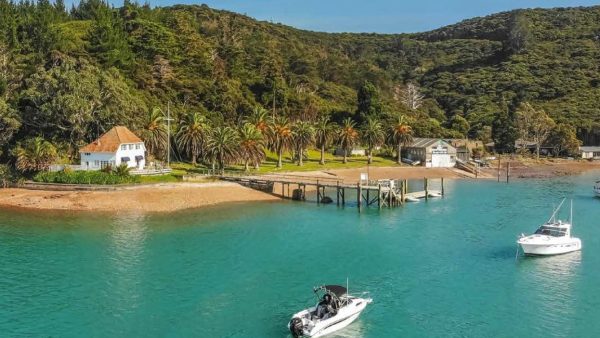
Despite the global volatility, the Ministry of Business, Innovation and Employment reports that national fuel supplies remain stable. New Zealand currently has 59.3 days of petrol and 54.5 days of diesel cover available between in-country stocks and shipments on the water. However, the price at the pump is reaching breaking point for many, particularly on Great Barrier Island where residents now pay the second-highest fuel prices in the country, trailing only the Chatham Islands.

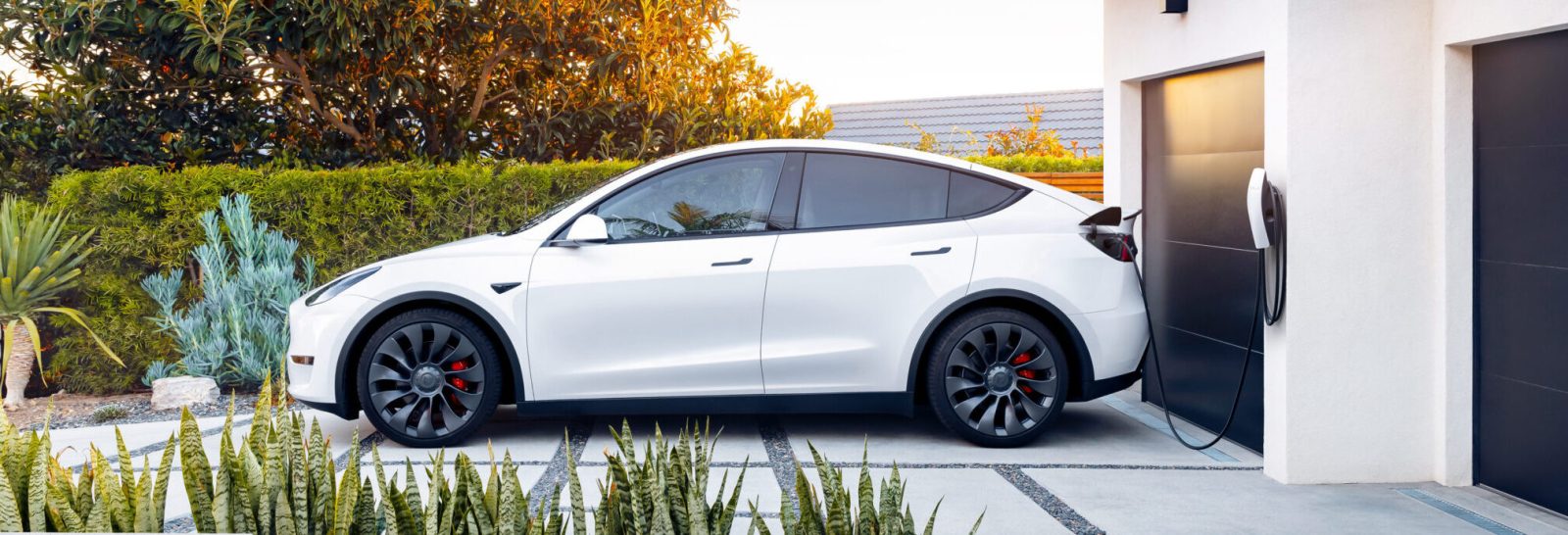
To support the transition, the government has announced a 52.7 million dollar investment in charging infrastructure through interest-free loans to ChargeNet and Meridian Energy. The project will add 2574 new charging points, more than doubling the current national network to around 4550 chargers. Transport Minister Chris Bishop said the investment aims to break the deadlock caused by a lack of public chargers. “Many New Zealanders have thought about getting an EV, even before the fuel challenges we’re currently facing. But research shows that the lack of public chargers is holding many back from making the switch to an EV,” Bishop said. “People look at a petrol price of three bucks, three bucks twenty, and potentially going higher, and they say, jeepers creepers, now’s the time to go electric because the running costs are just so much lower.”
Richard Hanson, who recently picked up one of the last EVs on a local lot, said the decision was driven by the current crisis. “We brought forward the decision because of what’s happening worldwide,” Hanson said. “We’ve gone from rolling up to the petrol pump for $400 to charging our EV at home for free.”
Drive Electric chairwoman Kirsten Corson welcomed the government’s infrastructure boost but noted that making EVs more accessible is key to long-term savings for New Zealanders. “The average household spends $3000 to $4000 a year paying for their petrol or diesel, and if they could electrify, it would be around $1000 a year,” she said.
For those unable to secure a car, e-bikes have become a popular alternative. Retailers say demand there is also surging. “It’s been really busy here. It’s feeling like Covid all over again,” Maurice Wells from Electric Bike Team told TVNZ. Commuter Johannes Jacobs is one of many making the switch. “I’m buying the bike because I think, I’m sick and tired of sitting in traffic in Auckland,” Jacobs said. “For me, it’s $25 a day. You extrapolate that out over a year, a month, a week – it’s a lot of money. I go past three petrol stations and have a smile on my face… knowing I’m not the one having to pay those costs.”